





The work this page is for
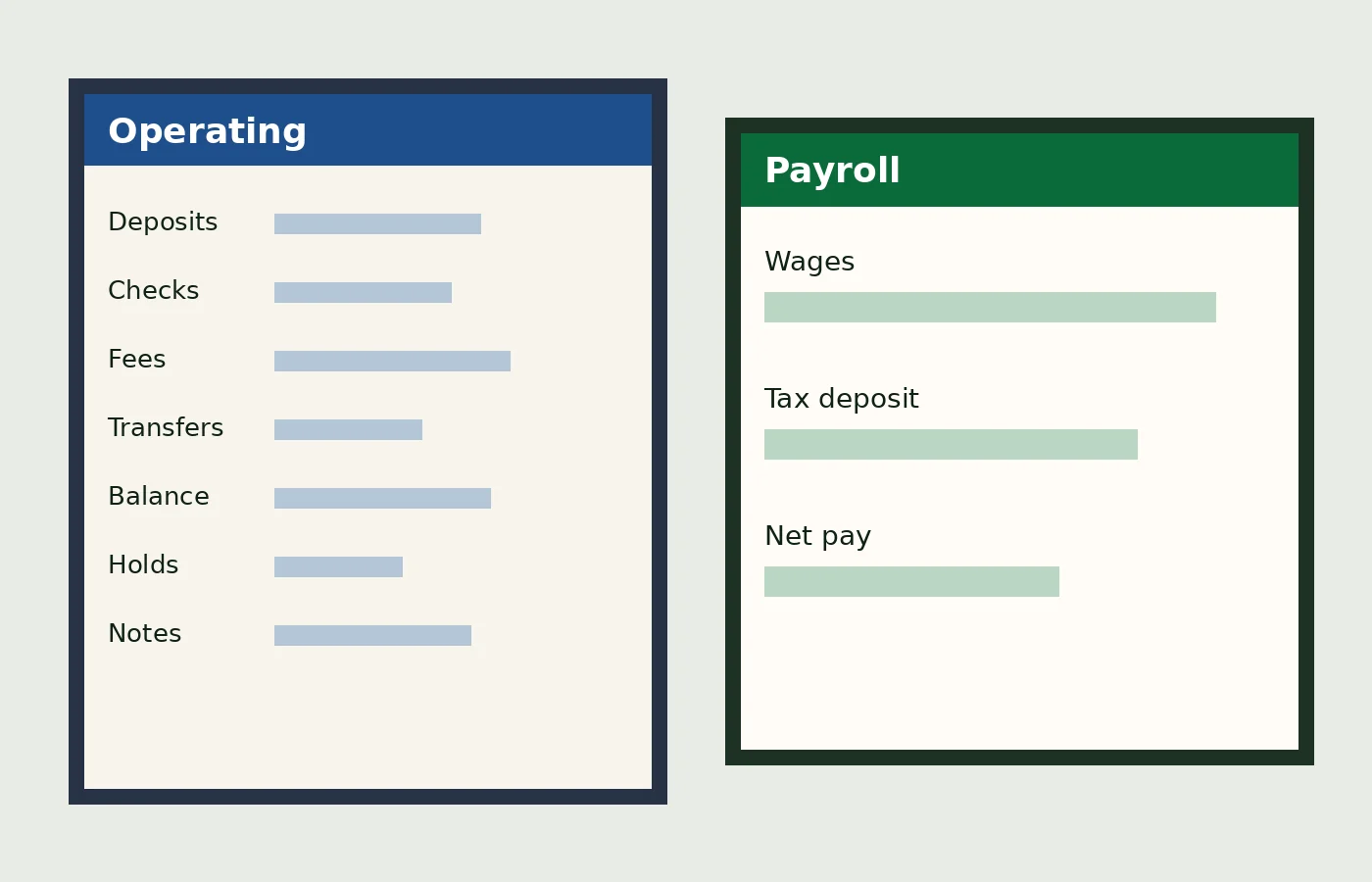
You came for the books, the statements, and the tax return. That is the work. Payroll setup puts the people and the filing dates on the company that pays them, and the first payday you want to run yourself is the handoff. The statements are written so you can read them while the year can still change. The return is prepared from those same months, and you see the draft before anyone files it. When two companies share an owner, we still close each one against its own bank before anyone reads a combined page. One close carries both roles for Steven Palmieri, a Tax CFO and the Entrepreneur's CFO, and those months are the months the return is prepared from.
Months that never tied get cleaned up once, against the bank, until the balance sheet is something you can stand on. The month you are in gets closed on purpose, so it is not left for a winter scramble. Pay, a timed purchase, and one finished month are decisions we can still make with you in the fall, rather than discoveries in a spring draft.
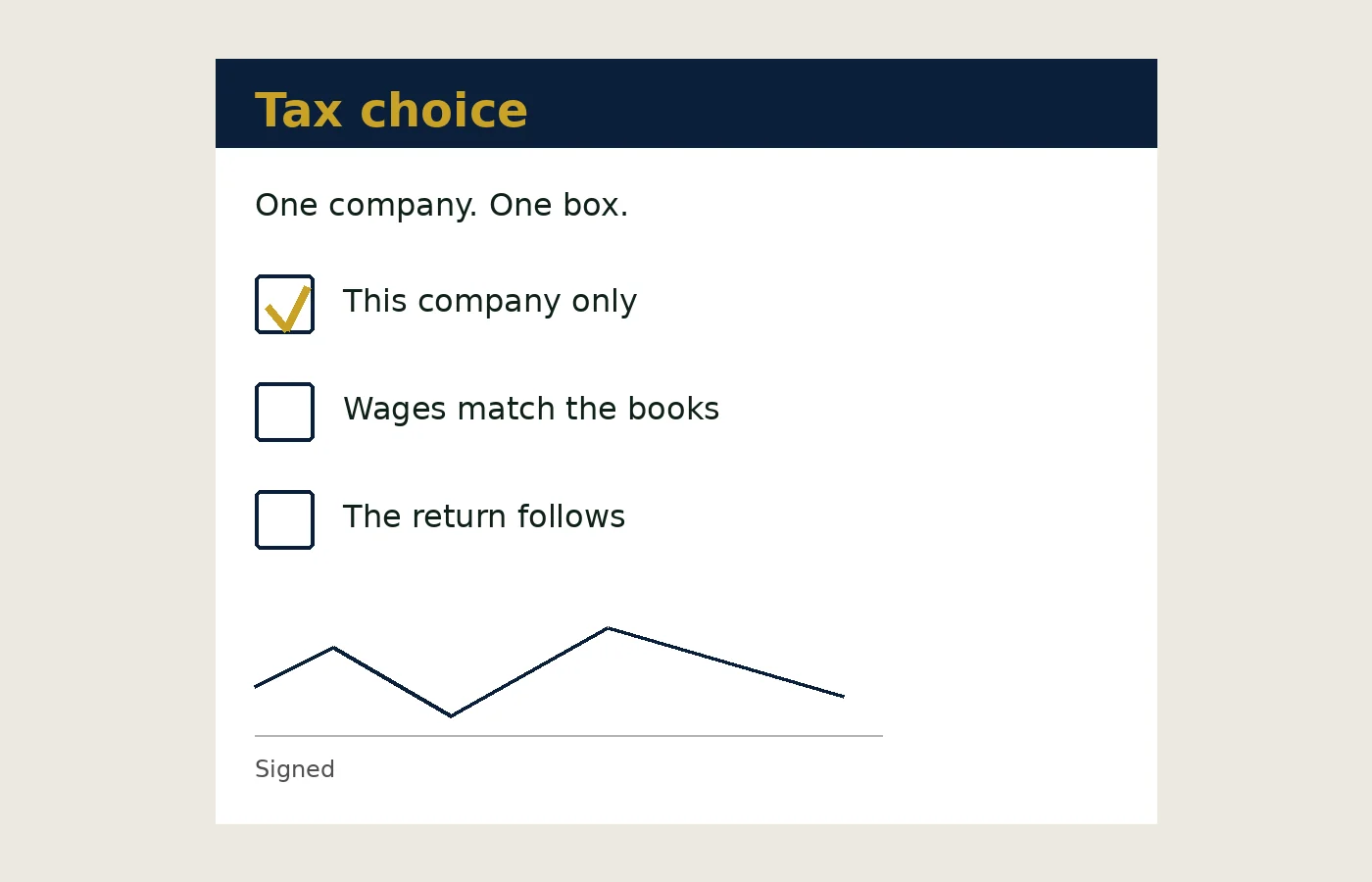
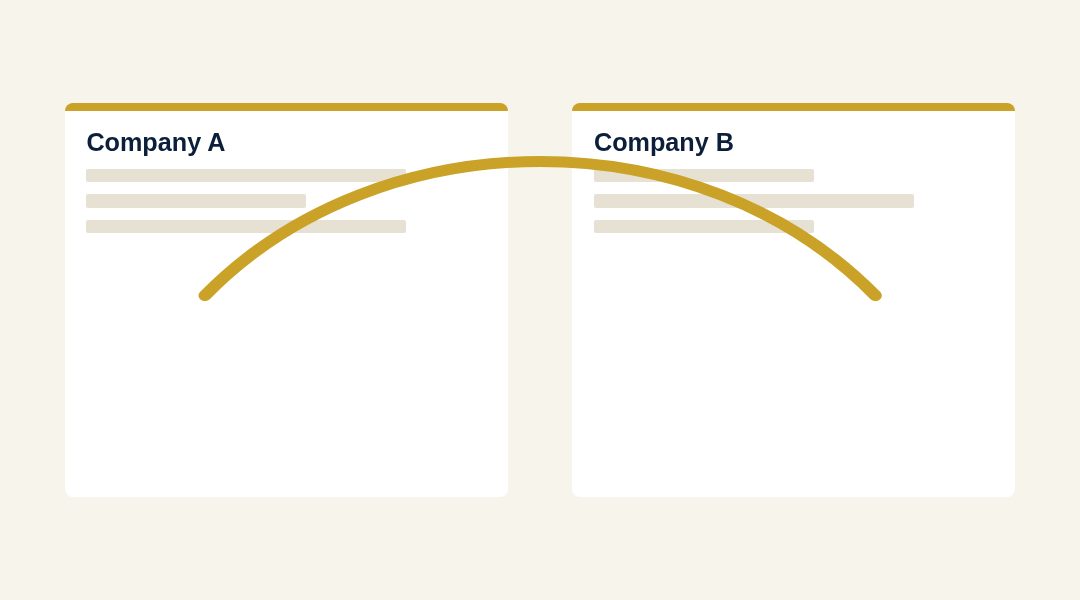
If you own more than one company, each one keeps its own books. A second company does not get poured into the first so the total looks smooth. You can still read them side by side after each one ties. One of us drafts the return from the months we just closed, so you are not explaining the year to a second office.
Why two months never look the same
When three companies share one owner, the receipt is the easy part and the bank is the hard part. We close the books on the deposits that actually hit, because a shared lunch stays a meal and a meal is no reason to blend the companies. Each folder stays with its own bank until that bank agrees, and only then do we read the three as one owner's plan.
Dallas Market Center on Stemmons is for buyers, not a public stroll, and when a market week lands we feel that rush with you. On the statements we refuse to borrow a quiet week's pattern for that rush.
Oddfellows in Bishop Arts is the coffee shop with the breakfast patio, and we grab a cup there before the shops fill, the same as you. A Saturday coffee and a Tuesday of showroom orders still get coded to the right company when we close the month.
A blue norther, that fast cold front between November and March, hits us far more often than it hits Houston, and we feel the snap the same week you do. When a delivery slips, we show the delay in the month instead of smoothing it into an average.
The Dallas Stars share the American Airlines Center after the franchise moved from Minnesota in 1993, and we watch a game night the way you do. A night that empties a showroom for two hours does not move a tax date, and we let the statement show those empty hours. Three folders in a row are three companies, and a game night does not merge them into one set of books.
Dates that do not wait on a mood
Add the pieces and sales tax in the city comes to 8.25 percent. State takes 6.25 of that. The city takes 1, and DART takes the other 1. No county sales tax sits on top. DART has held that local piece since 1984. Each month's sales report has to reach the comptroller twenty days into the following month. A month still open in the second week is already late for the deposit it has to explain.
The business property report goes to the appraisal district by the middle of April. Section 22.23 lets a written request push that filing into the middle of May. Section 41.44 sets a protest at the later of mid-May and a month after the appraisal notice. Each company sends its own franchise report in the middle of May, once for 2026 and once more for 2027. Under 2.65 million in revenue the franchise tax itself is zero. Retail and wholesale sit on the smaller state rate when franchise tax is actually owed, and every other business sits on the larger one. Those figures are 0.375 and 0.75. The report is still filed.
The first call is a talk. Nothing is scheduled until a written scope names which companies, which months, and what the fee is. This page does not quote a typical price, because the companies and the months are what set the scope. Two companies with one bank each are a different job from one company with four accounts. Bring the software you already open and the newest month whose bank you believe. That pair tells us where a close can begin.
When the books changed hands in the middle of the year
If someone else kept the books until June, the return still starts in January. Reports already filed stay on the record. Payday that already ran stays with the provider that ran it. What moves is the work of the months that are still open, plus any older month that never actually tied. Bring the prior return so this year is not drafted in a vacuum.
A company that already ties is left alone. A company that does not tie is the one on the table. Cleanup ends when the balance sheet agrees with the bank. It does not end with a pile of questions and a promise to look later. The test is whether you can name the month behind a figure on the draft without a translator.
What payroll setup covers, and what it leaves with you
Setup means the people, the filing dates, and the company that actually pays them are ready before the first payday you want to run yourself. After that, payday stays in your hands. This practice does not take payday over, and it does not open a second provider just because a second company exists. If only one company has employees, the other company does not get a payroll account to make the pair look even.
Pay for yourself gets talked through with the real months in view, before the year ends. A quiet company and a busy company do not have to be treated as the same month when that talk happens in time. The return next spring is still one return for that company, and a separate return where a second company needs one.
What you can still decide after a summer start
From a summer start, or a fall start, some choices are still real. Pay from the company that has the cash, a purchase dated before December, and one month finished on purpose. Those are ordinary decisions. None of them is a promise that a refund is coming.
What is not available is a second telling of months that already tie. If they were closed well, they stand. If they were not, they get cleaned up once, and then they stand. Estimates you already paid stay on the return as payments already made. They are not redone and they are not ignored.